
Discover how to build a sustainable honey business in India. Learn from the Humble Bee story and explore a suggestive business model analysis with sustainability, partnerships, and value chain insights.
🍯 Want to Start a Honey Business? Key Lessons from the Humble Bee Business Model
🌍 A Sweet Opportunity with Bitter Challenges: India’s Honey Value Chain
India has everything it needs to lead the global honey movement—rich floral biodiversity, traditional wisdom, and millions of farmers ready to diversify their livelihoods. Yet, the honey value chain in India faces systemic bottlenecks:
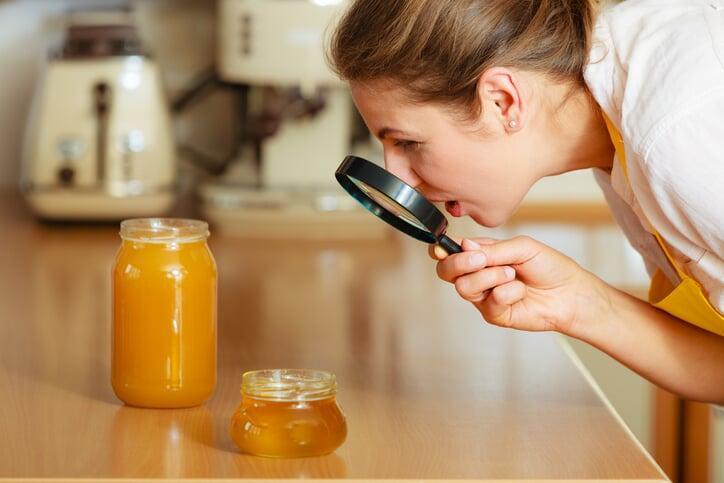
Adulteration: Rampant mixing with imported sugar syrups has shaken consumer trust and diluted the health benefits of honey.
Low Productivity: Unscientific beekeeping methods result in low yield and poor hive health.
Lack of Bee Welfare: Commercial harvesters often extract honey from brood chambers, harming bee colonies.
Fragmented Market Linkages: Most producers are disconnected from premium markets and lack product differentiation.
Limited Traceability: Consumers want transparency, but most honey lacks credible sourcing or testing data.
These challenges aren’t insurmountable—but solving them demands a systems approach, which is what makes the story of Humble Bee so compelling.
🐝 The Humble Bee Story: Purpose Meets Pollination

At its core, Humble Bee trains tribal women and landless forest dwellers in scientific apiculture. These clusters are provided with:
High-performing beehives and eco-safe tools
Vernacular training programs and ongoing support
AI-enabled decision tools to manage hive health and maximize yields
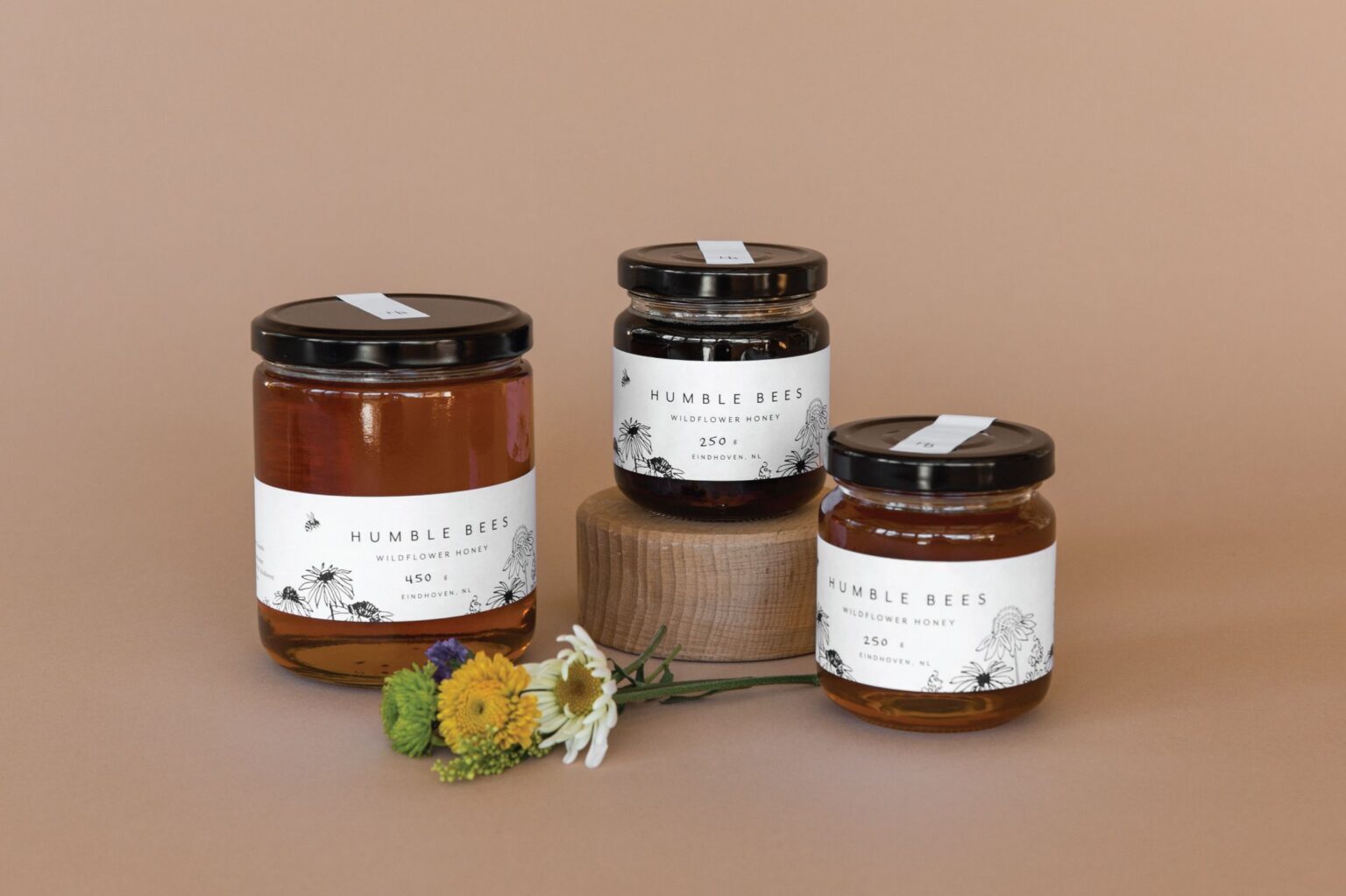
A fair buyback model under the Humble Bee brand
The company’s bold ambition is to replicate the success of AMUL, but in the honey sector—scaling a cooperative-like ecosystem rooted in trust, transparency, and technology.
The result? Honey that is not just raw and delicious—but also traceable, inclusive, and ecologically responsible.
📈 Suggested Business Model Framework: Scaling a Purpose-Driven Honey Enterprise
Drawing from expertise in sustainable agribusiness, here’s a proposed business model for entrepreneurs inspired by Humble Bee’s approach. This framework is not a representation of Humble Bee’s current operations, but rather a vision for how such a model might scale successfully.
🎯 Target Segment
Health-conscious food service and wellness businesses, including:
Health cafés and restaurants
Yoga retreats and Ayurveda resorts
Naturopathy clinics and wellness spas
Clean-label retailers and nutritionists
💡 Value Proposition: Taste. Health. Variety.
Taste: Diverse floral profiles from Indian agro-ecological zones
Health: Raw, unprocessed, antibiotic-free honey with functional benefits
Variety: Mustard, eucalyptus, ajwain, forest honey and more
🔄 Operational Design
Cluster-based sourcing from scientifically trained micro-entrepreneurs
AI and IoT integration for hive health monitoring and productivity
Centralized post-harvest handling and lab testing
Co-branding opportunities with wellness partners
🚚 Distribution Strategy: Where the Honey Flows
To reach premium and purposeful markets, the proposed strategy includes:
B2B Wholesalers: Nature’s Soul, Conscious Food, Healthy Buddha
Institutional Wellness Buyers: Ananda, Atmantan, Six Senses Vana
Online Marketplaces: Udaan, Jumbotail, Amazon Business
Boutique Health Cafés: Eat.Fit, The Yoga House, Sattvik Café
Gift Curators & Retailers: Premium wellness gift brands and gourmet stores
🤝 Complementary Partnerships: Strengthening the Hive
🧪 R&D & Training
ICAR–CBRTI, IITs, National Bee Board, NSDC, KVKs
Focus: Apiculture science, pollination research, floral mapping, and upskilling
🏗️ Hive Manufacturers
BeeHively Group, Aravali Honey – eco-efficient hive systems
📡 Bee Health & Productivity Tech
BEEKIND, Bee Sensing, ApisProtect – AI and IoT monitoring
🔗 Traceability & Transparency
TraceX, StaTwig, GS1 India – Blockchain-enabled tracking from hive to jar
🧑🏾🌾 Beekeepers
Micro-entrepreneurial beekeepers from tribal, forest-fringe, and rural communities
🌱 The Four Pillars of Sustainability
🧑⚕️ 1. Consumer Health
Zero adulteration, raw and unfiltered
High therapeutic value aligned with Ayurvedic and naturopathic diets
Full batch traceability to ensure purity
🌿 2. Environmentally Friendly
Promotes pollination, soil carbon, and biodiversity
Operates in forest-fringe, low-carbon zones
Avoids synthetic pesticides and large-scale industrial harvesting
🐝 3. Bee Welfare
Super chamber-only harvesting
Rotational hive usage and stress-free colony management
AI-guided hive health monitoring
👩🏽🌾 4. Community Support
Micro-entrepreneurship for tribal and landless farmers
Women-led producer clusters
Culturally integrated livelihood programs and forest-based income generation
🗝️ Key Takeaways for Aspiring Honey Entrepreneurs
If you’re planning to enter the honey business, here’s what this model suggests:
Build with purpose—honey is not just a product; it’s a value chain opportunity.
Differentiate on traceability, variety, and function, not just price.
Work with trained micro-entrepreneurs to ensure quality and inclusion.
Integrate tech smartly—AI, IoT, and blockchain can scale ethics and efficiency.
Create partnerships, not just suppliers—especially in hive-making, training, and R&D.
Design for impact—pollination, biodiversity, and rural livelihoods must be part of the equation.
Take the Next Step
If you’re ready to advance your career in food and agribusiness:
Explore Avila University’s Agribusiness Certificate Programs
Identify the certificate that aligns with your career stage
Connect with admissions advisors to plan your learning pathway
Learn more:
https://www.avila.edu/avila-agribusiness-programs/
This industry-first program equips professionals and entrepreneurs with strategies to design, grow, and scale sustainable food ventures—blending supply chain innovation with ecological and social impact.
Explore the program to transform your honey (or any food) business idea into a movement.
⚠️ Disclaimer
The business model analysis presented in this blog is based on our expertise in agribusiness value chains and is suggestive in nature. It does not comprehensively represent the actual operations or strategies of Humble Bee. Only the entrepreneurs leading the initiative are best positioned to make the right decisions on value propositions, partnerships, and execution strategies in their own context.
🔍 References
Centre for Science and Environment (2020). “Food Safety: Honeygate Investigation.”
Humble Bee Website: https://thehumblebee.co
Apiculture R&D: ICAR–CBRTI Annual Reports
BeeKind (AI for Apiculture): data.org
StaTwig and TraceX product documentation
Interviews and publicly available data on ethical beekeeping and sustainable value chains
