
Discover how California-based Oobli is transforming sugar with precision-fermented sweet proteins. A business model analysis for U.S. food innovators, entrepreneurs, and sustainable CPG leaders.
🧬 Oobli’s Sweet Disruption: How This U.S. Startup is Reinventing Sugar with Fermentation
🍭 From Brooklyn to Berkeley: The New American Sweet Tooth
From keto shoppers in California to label-readers in Brooklyn, Americans are rethinking sugar. It’s not just about calories anymore—it’s gut health, clean labels, and sustainable sourcing. Traditional sugar contributes to rising diabetes and obesity rates, while artificial sweeteners like aspartame and sucralose are increasingly viewed with skepticism.
Consumers want guilt-free sweetness that’s natural, safe, and planet-friendly. But the market hasn’t delivered—until now.
Enter Oobli, a California-based food-tech startup that’s turning the sugar industry on its head with a radically different approach.
🍓 What is Oobli? The Startup That’s Fermenting Sweetness
Oobli (formerly Joywell Foods) has created a first-of-its-kind platform to produce sweet proteins—natural compounds found in rare tropical fruits like the oubli berry. These proteins are up to 5,000 times sweeter than sugar, but without the calories, blood sugar spike, or gut disruption.
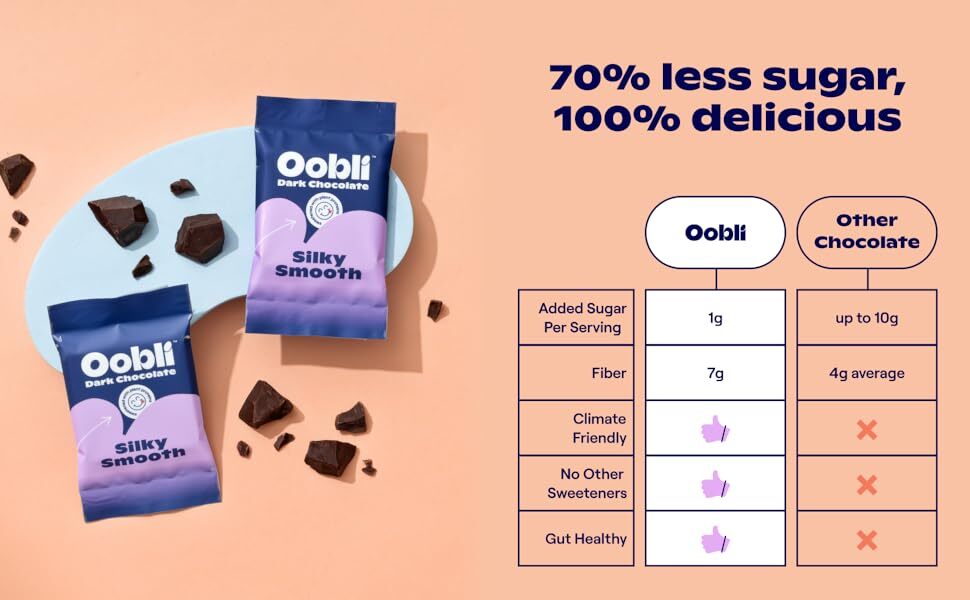
Here’s the magic: instead of harvesting exotic fruits, Oobli uses precision fermentation to produce these proteins at scale. Think of it as brewing sugar—only smarter, healthier, and infinitely more sustainable.
This innovation is not just about science. It’s a masterclass in business model strategy—designed for scalability, health impact, and sustainability.
📊 Oobli’s Business Model Breakdown: A Sweet Playbook for U.S. Food Leaders
Let’s explore how Oobli’s business model is structured to disrupt one of the most entrenched categories in American food: sweeteners.
1. 🎯 Target Segment & Value Proposition
Target Segments:
Health-conscious U.S. consumers seeking clean-label, low-sugar options
Mid-size and large CPG brands reformulating snacks, drinks, and desserts
Retailers and investors focused on wellness, plant-based, and future-of-food portfolios
Value Proposition:
Sweet proteins that are calorie-free, diabetic-friendly, and gut-neutral
Derived from nature, produced by fermentation—no agriculture needed
Helps brands meet rising U.S. demand for clean label and sustainable ingredients
Solves both taste and health—a rare combo in the sweetener category
2. 🛒 Distribution Strategy: From Teas to Tech Licensing
Oobli’s business model uses a smart two-phase approach to market entry:
🚀 Phase 1: Direct-to-Consumer (D2C)
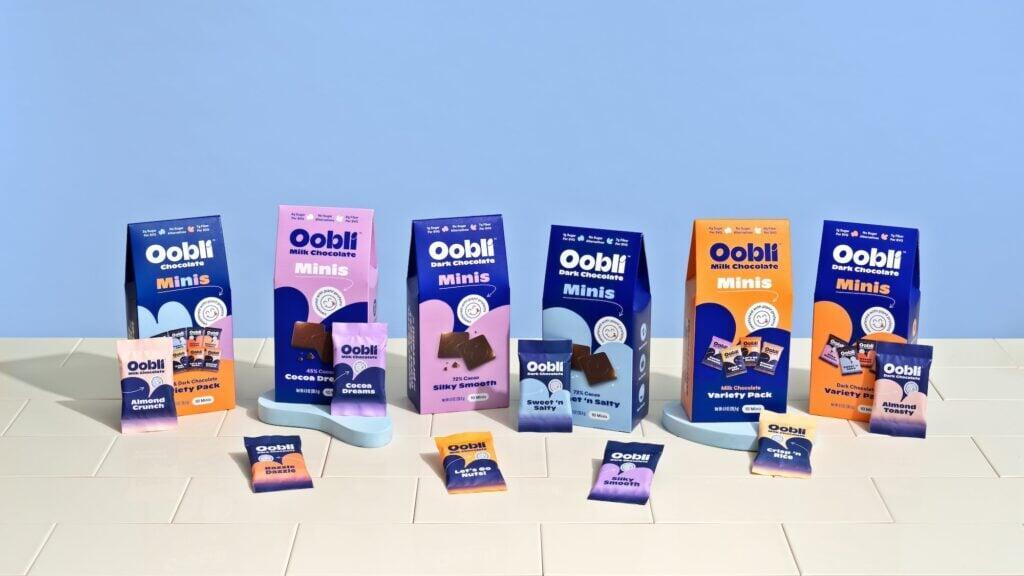
They launched with chocolate and iced tea SKUs—educating early adopters and validating taste, functionality, and market interest.
💼 Phase 2: B2B Ingredient Licensing
Now, Oobli is pivoting to a B2B model—licensing their sweet proteins to CPG companies to be used in mass-market products like cereals, bars, and beverages.
This strategic shift:
Builds recurring revenue
Avoids D2C scale challenges
Embeds Oobli into the supply chains of trusted U.S. food brands
3. 🤝 Complementary Partnerships Powering the Business Model
Oobli’s success is built on strong U.S. innovation and commercialization partnerships:
🔬 R&D Partners
Collaborated with ABPDU (Advanced Biofuels and Bioproducts Process Development Unit) to develop scalable fermentation processes.
🧪 Manufacturing & Ingredient Partner
Partnered with Ingredion, a U.S.-based ingredient leader, to scale production and embed sweet proteins into existing food systems.
📦 Logistics & Commercialization
Oobli works with established ingredient distributors—avoiding the need for cold-chain or perishable transport infrastructure.
✅ Bonus: No farming partnerships are required, making the supply chain urban-scalable, modular, and efficient—ideal for the U.S. food system.
4. 🌎 Sustainability at the Core of the Business Model
Unlike sugarcane, stevia, or synthetic sweeteners, Oobli’s sweet proteins are:
Produced with minimal land and water
Not tied to monoculture farming or biodiversity loss
Up to 99% less resource-intensive than traditional sugar production
Free from synthetic chemicals or GI-impacting sugar alcohols
If Oobli’s fermentation tanks run on renewable energy, this business model could become one of the most sustainable sweetener solutions available in the U.S. market.
🧠 Key Lessons for U.S. Food Innovators and CPG Leaders
Whether you’re a product developer in Austin, a sustainable brand builder in Boulder, or a clean-label buyer at Whole Foods—Oobli offers critical insights:
✅ 1. Build New Systems, Not Just Products
Oobli re-engineered sweetness from the molecule up—and created a business model to scale it.
✅ 2. Use D2C as a Launchpad
Their initial D2C push helped prove consumer demand and optimize their formulation—before transitioning to scalable B2B growth.
✅ 3. Collaborate to Scale
From ABPDU to Ingredion, Oobli’s strategy shows that biotech and food innovation scale best through strategic partnerships.
✅ 4. Make Sustainability a Selling Point
Oobli isn’t just reducing calories—it’s reducing agricultural pressure, emissions, and supply chain complexity. That’s how sustainable brands win in the U.S. market.
🎓 Want to Design Business Models Like Oobli’s?
Oobli is a case study in how the U.S. food system can evolve—through innovation, fermentation, and scalable sustainability.
Take the Next Step
If you’re ready to advance your career in food and agribusiness:
Explore Avila University’s Agribusiness Certificate Programs
Identify the certificate that aligns with your career stage
Connect with admissions advisors to plan your learning pathway
Learn more:
https://www.avila.edu/avila-agribusiness-programs/
🔁 References
ABPDU Process Development
WHO & Harvard Reports on Sugar and Public Health
